Organized systems for document-heavy professional work.
Professional service firms need trust, records, clarity, and less duplicate work. We help organize new client requests, documents, updates, deadlines, and reports without making the software feel like a second job.

See whether this day feels familiar.
These are common settings, not assumptions. The work still begins with how your own team operates.
- law firms
- accountants
- bookkeepers
- consultants
- professional services
What may be getting in the way.
- Client requests and documents arrive in too many places.
- Status updates take time because information is scattered.
- The website does not explain services clearly enough.
- The firm wants modern help but cannot risk sloppy AI output.
What we might make practical.
These are possible parts of a project, not a package you have to buy.
- Client portals and upload flows
- Matter or project tracking dashboards
- Document review and follow-up steps
- Professional websites and service pages
- AI-assisted drafts only with human review
Start with what you already use.
Useful tools and familiar habits should not disappear just because a project is new. We first identify what works, what creates risk, and what is genuinely missing.
- Clio, LawPay, QuickBooks, TaxDome, Canopy, or similar office tools
- Microsoft 365, Google Workspace, shared drives, and email inboxes
- PDFs, scanned files, client uploads, and manual review checklists
- Spreadsheets used for deadlines, status, and client follow-up
A visible path from the current mess to a reliable working system.
Each decision stays concrete enough to review, change, and understand before the next one depends on it.
- 01
We start with how the work already happens, not with a template.
- 02
We explain the choices, costs, limits, and tradeoffs before committing to a build.
- 03
We show working demos early, then improve them in short rounds so decisions stay concrete.
- 04
We move carefully from old spreadsheets, websites, apps, or paper records instead of forcing a risky all-at-once switch. We define who owns the accounts, domains, data, and ongoing responsibilities so nothing important is ambiguous.
Questions worth answering before anything is built.
These answers are general guidance. The right recommendation depends on your existing tools, responsibilities, data, and budget.
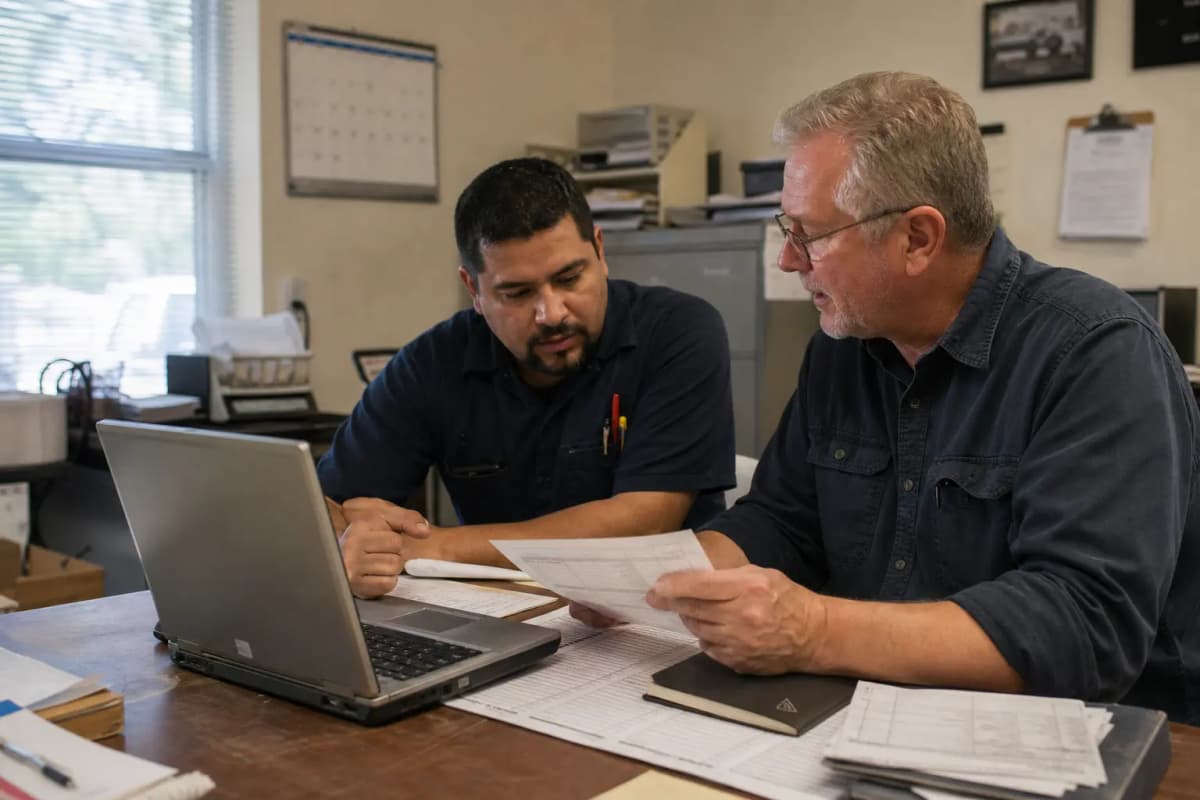
Bring us the day as it really happens.
Walk us through a normal busy day: what comes in, who handles it, where people wait, and what tends to get missed. That is enough to begin.