Systems for calls, vehicles, customers, and follow-up.
Auto businesses live on speed and trust: who called, what vehicle they have, what was promised, what is waiting, and who needs follow-up. We make that easy to see without burying the team in admin.
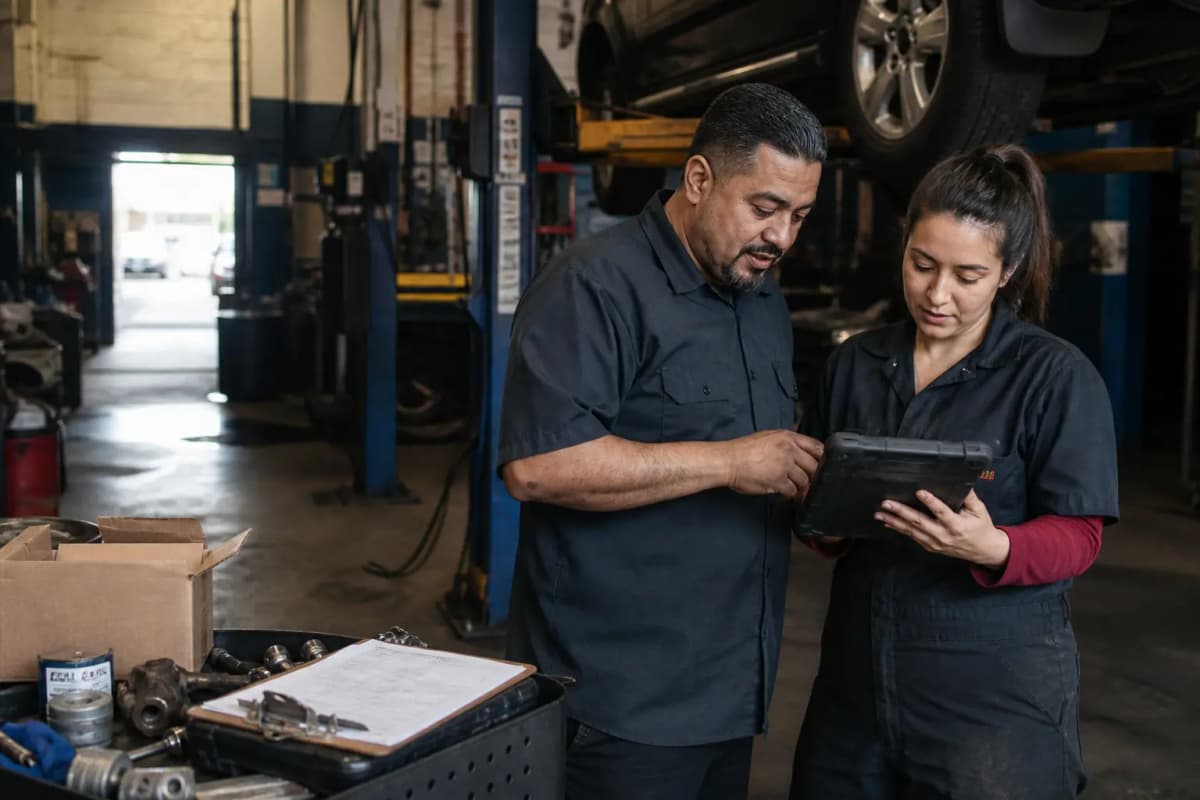
See whether this day feels familiar.
These are common settings, not assumptions. The work still begins with how your own team operates.
- auto repair shops
- dealerships
- detailers
- tire shops
- specialty vehicle services
What may be getting in the way.
- Calls and callbacks get lost during busy days.
- Customers want updates but staff are already overloaded.
- Website traffic does not turn into enough booked work.
- Vehicle notes, photos, and status live in scattered tools.
What we might make practical.
These are possible parts of a project, not a package you have to buy.
- Booking and callback tracking
- Customer and vehicle records
- Status dashboards
- Review requests and follow-up reminders
- Websites built for local search and calls
Start with what you already use.
Useful tools and familiar habits should not disappear just because a project is new. We first identify what works, what creates risk, and what is genuinely missing.
- Shop-management, accounting, checkout, or dealer software
- Phone calls, voicemails, texts, Google reviews, and website forms
- Vehicle photos, estimates, inspection notes, and parts lists
- Whiteboards, calendars, and callback notebooks
A visible path from the current mess to a reliable working system.
Each decision stays concrete enough to review, change, and understand before the next one depends on it.
- 01
We start with how the work already happens, not with a template.
- 02
We explain the choices, costs, limits, and tradeoffs before committing to a build.
- 03
We show working demos early, then improve them in short rounds so decisions stay concrete.
- 04
We move carefully from old spreadsheets, websites, apps, or paper records instead of forcing a risky all-at-once switch. We define who owns the accounts, domains, data, and ongoing responsibilities so nothing important is ambiguous.
Questions worth answering before anything is built.
These answers are general guidance. The right recommendation depends on your existing tools, responsibilities, data, and budget.
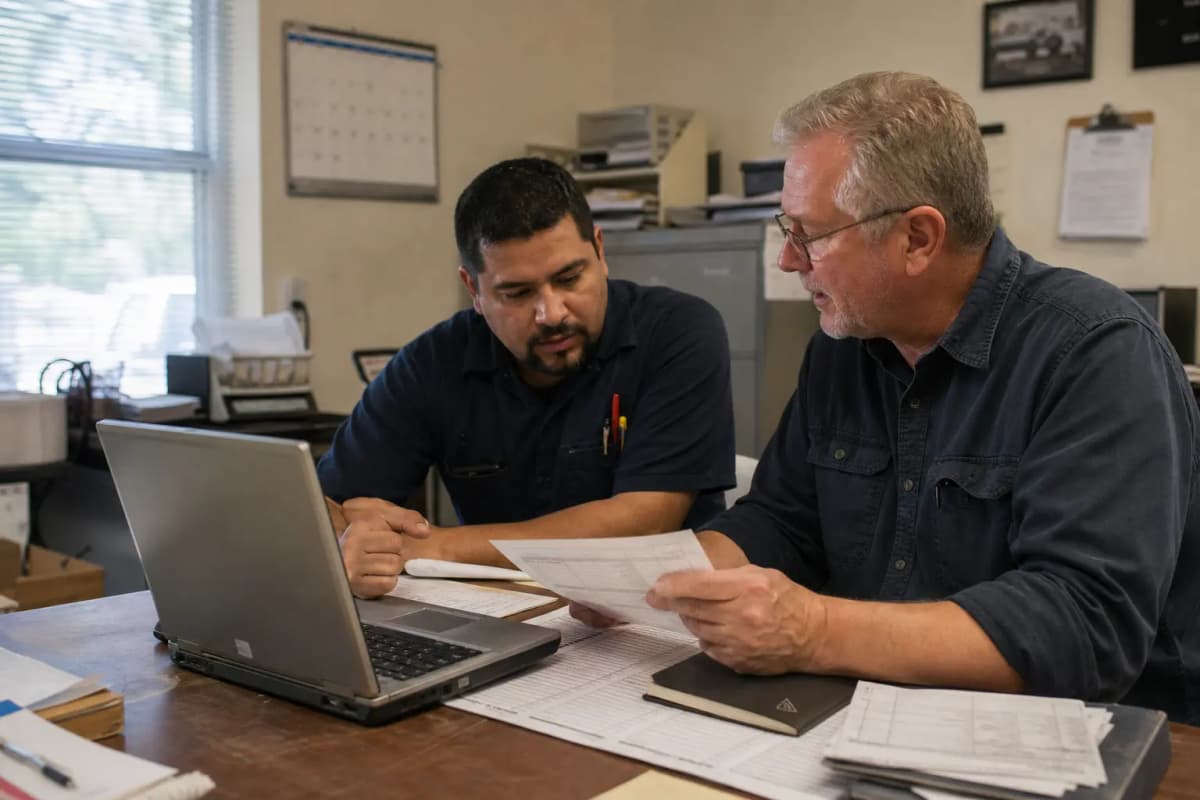
Bring us the day as it really happens.
Walk us through a normal busy day: what comes in, who handles it, where people wait, and what tends to get missed. That is enough to begin.